Roadworthy Certificate, Safety Certificate, Pink Slip or Warrant of Fitness, are needed in most Australian states and in New Zealand when selling a registered used vehicle. Depending on where you live, some locations also require periodic checks to keep a car on the road, but what’s actually tested? And does a ‘pass’ guarantee that the brakes are in good shape?
Passing a roadworthy or safety inspection means a vehicle has met a baseline standard, but isn't a guarantee of reliability or longevity.
What’s inspected?
How the brake system is inspected and tested can vary from state to state and differs between Australia and New Zealand, but the ultimate goal is the same: to ensure a baseline safety standard for the car.
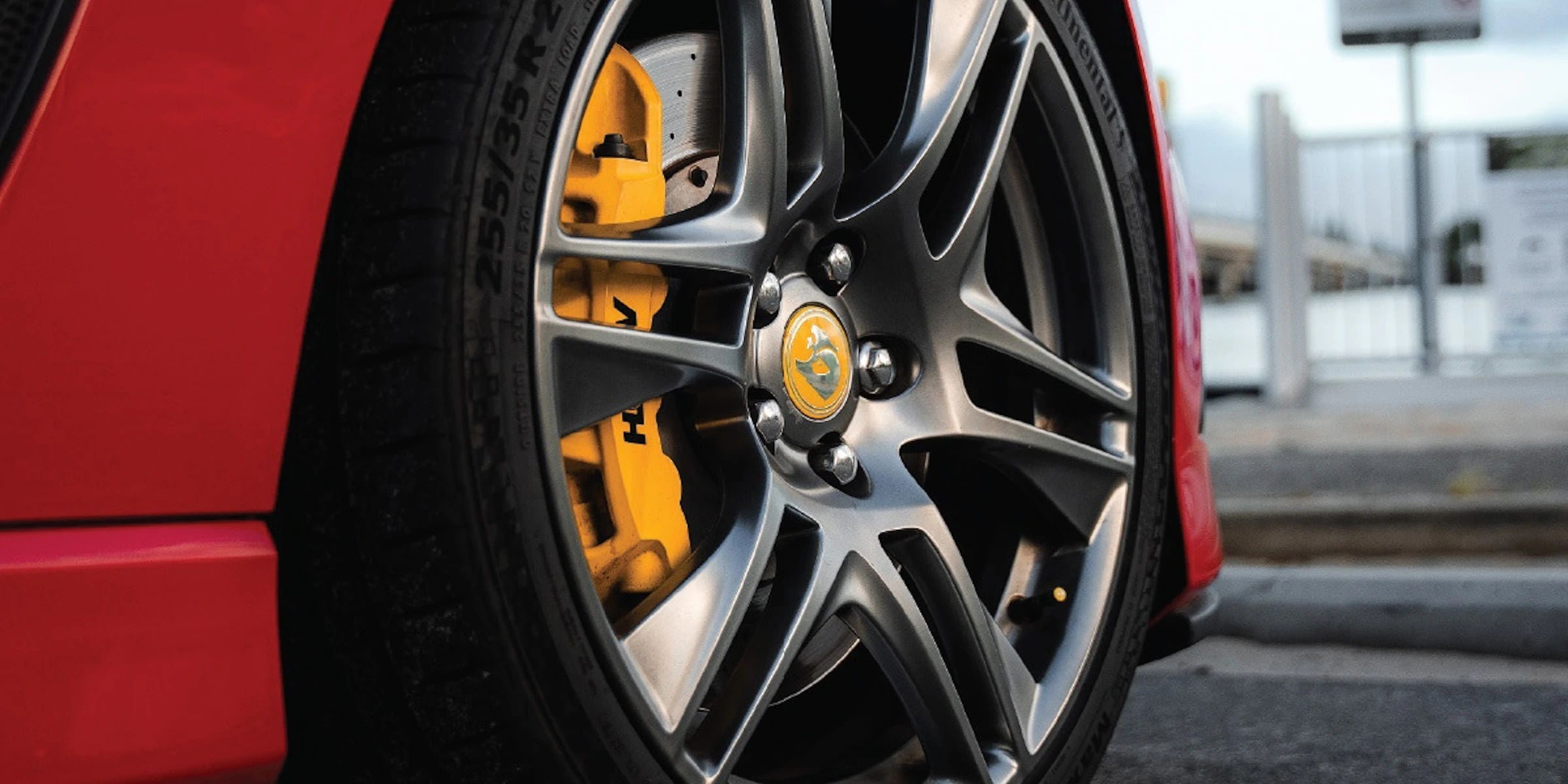
All brake components should function correctly, be securely mounted and free from visible wear, distortion, damage or contamination. The brake hoses, brake lines and associated components must also be free from damage and leaks and fitted securely.
Additionally, there should be a certain amount of friction material remaining on the brake pads and brakes shoes. Similarly, rotors and drums must meet a minimum thickness and be free of scoring. Brake fluid may also be assessed for correct level and signs of leaks and contamination.
When it comes to the park brake, it must be capable of holding the vehicle stationery on a grade (grade varies – generally around the 12% mark). And of course, brake lights and dash warning lights must function properly.
Not all states require a functional road test to be undertaken; a brake roller tester can be used instead along with visual inspection. When a physical road test is conducted, it’s normally brief and on nearby local roads.
What a certificate won’t guarantee
Motorists should realise that gaining a certificate doesn’t guarantee that a vehicle is in optimum operating condition, it’s only a safety baseline at the time of testing. It’s not a promise of reliability or the longevity of components.
In the case of brakes, it’s the fundamentals that are covered as discussed earlier, including visible condition, correct fitment and operation, and absence of major wear or damage. There are no full performance tests in real world driving conditions.
Similarly, wear rates for friction materials and components such as rotors and drums must only meet minimum standards. What’s considered acceptable remaining life for these components can vary depending on where you live. Using the Victorian Roadworthy Certificate (RWC) as an example, pads only need minimum friction material of 3mm to pass. If the vehicle is fitted with brake wear sensors, then only 1mm of friction material is necessary, so although the inspection may have passed, the pads are very close to needing replacement.
It's wise then when buying a used vehicle, to organise a thorough pre-purchase inspection through specialist service providers or at your local workshop, they’ll conduct a much more extensive review and better advise the car’s condition and if it should be bought or not. If the car has already been acquired, then you should strongly consider having it checked over in more depth as well.
Mawson Motors' Rod Smith has been a mechanic for over 40 years and a Victorian roadworthy certificate inspector for more than half this time.
A word from the experts
Here are some thoughts from two experienced mechanics/vehicle testers from the Bendix family of workshops.
V-Mech Automotive’s (Queensland) Scott Vanderzalm said motorists should not view a safety or roadworthy certificate as a long-term health report.
“A roadworthy inspection is designed to confirm a vehicle is safe to be on the road at that moment. It doesn’t mean everything on the car is perfect, nor does it guarantee how long certain components will last,” Scott explains.
“With brakes, if pads, rotors and other components meet the minimum legal requirements, the vehicle will pass. But that could still mean those parts are nearing the end of service life and may need replacing sooner rather than later.”
When brake components do require replacement, Scott stresses the importance of choosing quality parts such as Bendix.
“Brakes are one area where quality really matters. Using well-engineered components, like those from Bendix, delivers consistent braking performance, reliability and peace of mind, especially for families and daily drivers. It’s an investment in safety, not just a repair.”
Rod Smith from Mawson Motors in Victoria has been a mechanic for over 40 years, and for more than half this time has been a RWC inspector.
“The RWC looks at the main safety systems in a vehicle but in the case of requirements for VicRoads, it only has to last for a month,” Rod said.
“Because of this, vehicle owners are encouraged to have their mechanic look into vehicle health in more detail. They should consider getting the same checks done as they would for a major service, especially if the history is patchy.
“This more thorough approach will also allow for some preventative maintenance items to be covered, which is particularly important for safety related components such as the brakes,” Rod explained.
V-Mech Automotive workshop owner, mechanic and inspector, Scott Vanderzalm said you can't view a roadworthy or safety certificate as a long term health report.